
TPO Roofing
TPO Roofing for Low-Slope Commercial Buildings
TPO is one of CCR Roofing's priority roof systems for low-slope and flat commercial buildings. CCR Roofing installs, repairs, maintains, and replaces TPO roofing for commercial property owners, facility managers, contractors, and business owners.
Whether you are considering a new TPO roof, maintaining an existing system, or dealing with a leak or membrane issue, our team can help you understand the right next step.

A Practical Single-Ply Roofing System for Commercial Properties
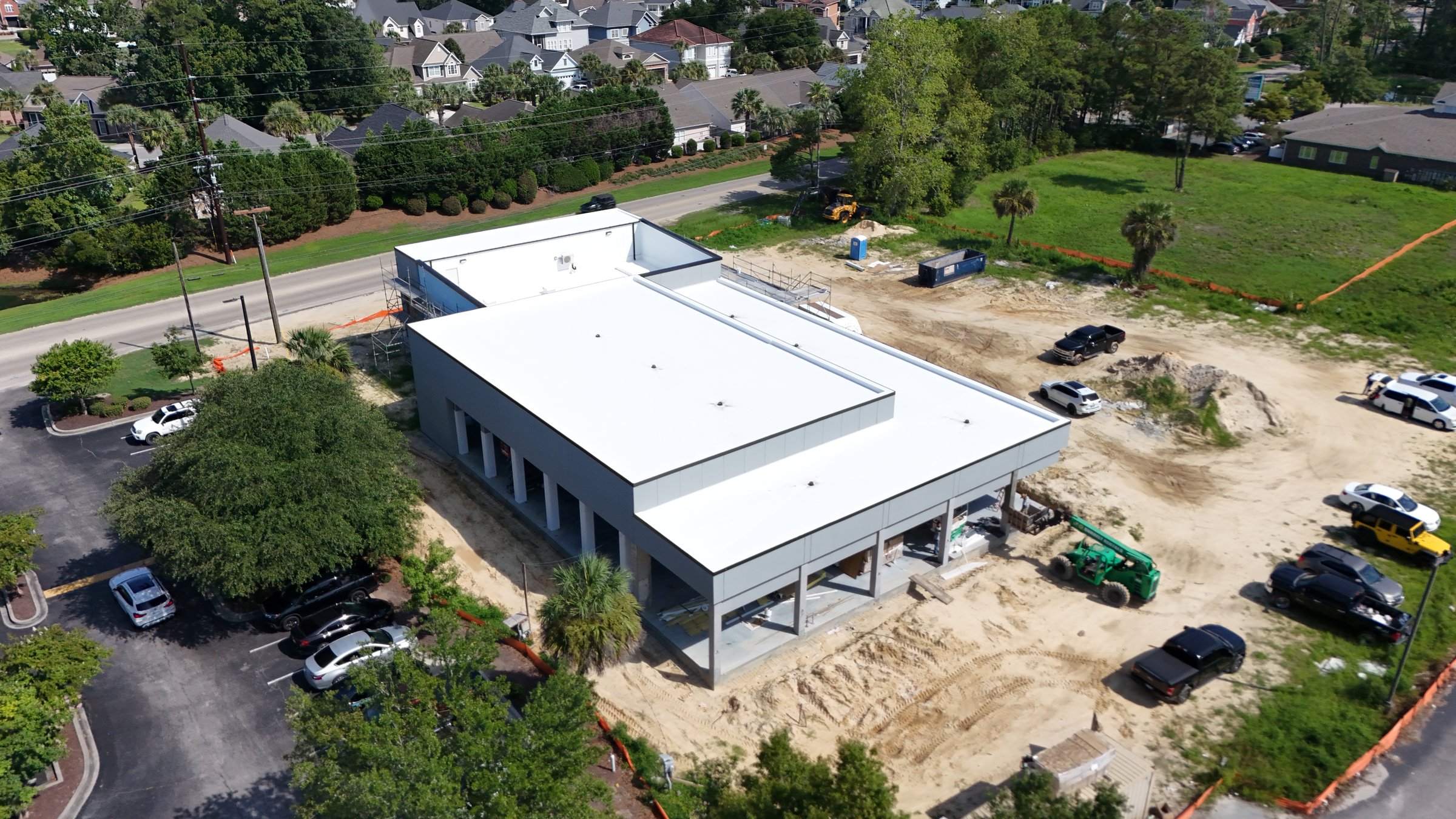
TPO stands for thermoplastic polyolefin. It is a single-ply commercial roofing membrane commonly used on low-slope and flat commercial roofs.
TPO is one of the most common commercial roof systems installed on low-slope buildings throughout coastal South Carolina and eastern North Carolina. TPO is often considered for commercial buildings because it can offer a strong balance of performance, reflectivity, flexibility, and value. It is commonly installed with heat-welded seams and is often selected for buildings where heat exposure, UV resistance, and long-term roof performance matter.
For commercial property teams, the most important question is not whether TPO is popular. The better question is whether TPO is the right fit for your specific building, existing roof condition, drainage, rooftop equipment, budget, and long-term maintenance goals. CCR Roofing can help you evaluate whether a TPO roof system makes sense for your property.
When to Consider a TPO Roof System
TPO may be a strong option for many commercial buildings, especially low-slope roofs where reflectivity, practical performance, and long-term serviceability are important. TPO may be worth considering if your property has:
- A low-slope or flat commercial roof
- An aging roof that needs replacement
- Recurring roof leaks or membrane concerns
- A need for a reflective roof surface
- Heat and UV exposure
- A re-roofing or recover opportunity
- A need for a cost-effective commercial roof system
- Existing TPO that needs repair or maintenance
- Rooftop equipment, penetrations, or details that need proper flashing
- Long-term roof asset management needs
TPO Roofing Benefits & Considerations
Heat-Welded Seams
TPO systems are commonly installed with heat-welded seams. Properly completed seams are an important part of roof system performance and can help support long-term water resistance.
Reflective Roof Surface
White TPO membranes are often selected for their reflective surface, which may help reduce heat absorption on certain commercial buildings.
Heat & UV Resistance
TPO is commonly used in roof applications where heat and UV exposure matter. This can be especially important for commercial properties in warm and coastal climates.
Flexible Single-Ply Membrane
TPO is a flexible single-ply membrane that can be used across a wide range of low-slope commercial roof applications.
Practical Value
TPO offers a dependable mix of reflectivity, flexibility, and durability for owners who want solid performance without added complexity.
Maintenance Still Matters
Even a well-installed TPO roof needs routine inspection and maintenance. Seams, flashing, drains, rooftop equipment, penetrations, and membrane condition should be reviewed over time.
TPO Roofing Support Across the Life of Your Roof
CCR Roofing supports TPO roof systems through installation, repair, maintenance, and replacement planning.
TPO Roof Installation
If you are planning a new commercial roof, re-roof, or replacement project, CCR Roofing can help evaluate whether TPO is the right system for your building. Our team considers the building, roof slope, drainage, existing roof condition, exposure, and long-term performance goals before recommending a TPO roof system.
View Commercial Roofing Installations →TPO Roof Repair
If your existing TPO roof is leaking, damaged, or showing signs of wear, CCR Roofing can inspect the issue and recommend a practical repair approach. Common TPO repair needs may involve seams, punctures, membrane damage, flashing, penetrations, rooftop equipment areas, or drainage concerns.
View Commercial Roof Repairs →TPO Roof Maintenance
TPO roofs should be monitored over time to identify small issues before they become larger problems. CCR Roofing's Roof Armor Performance Program can help property teams monitor roof condition, address vulnerable areas, and maintain better documentation. Photos are included with each invoice for repair and maintenance work.
View Commercial Roof Maintenance →Common TPO Roof Issues to Watch For
TPO roofs can perform well when they are properly selected, installed, and maintained. However, like any commercial roof system, they should be monitored for signs of wear, damage, or water intrusion. Potential TPO roof concerns include:
- Open or weakened seams
- Punctures from tools, debris, or rooftop traffic
- Membrane damage
- Flashing concerns
- Drainage problems or ponding water
- Damage around rooftop equipment
- Storm or wind damage
- Edge or perimeter issues
- Recurring leak areas
- Wear around roof penetrations
Is TPO the Right Roof System for Your Building?
TPO is one of CCR Roofing's priority commercial roof systems, but it should still be evaluated alongside other options.
TPO vs. PVC
TPO and PVC are both single-ply roofing membranes. PVC may be a better fit for certain buildings with grease, chemical, or demanding exposure needs. TPO may be a practical option for many low-slope commercial roofs where reflectivity and value are important.
TPO vs. EPDM
TPO and EPDM are both single-ply systems, but they are different materials. TPO is a thermoplastic membrane commonly installed with heat-welded seams. EPDM is a synthetic rubber membrane.
TPO vs. Modified Bitumen
TPO is a single-ply membrane, while Modified Bitumen is a multi-layer system that can add redundancy. Modified Bitumen may be worth a look if layered protection matters more than a lighter single-ply installation. CCR Roofing works with both SBS and APP systems.
TPO vs. Metal Roofing
TPO is a single-ply membrane built for low-slope and flat commercial roofs. Metal roofing requires a compatible roof slope and structural design, which often makes the choice more about your building's shape than about performance alone.
Explore Roof Systems →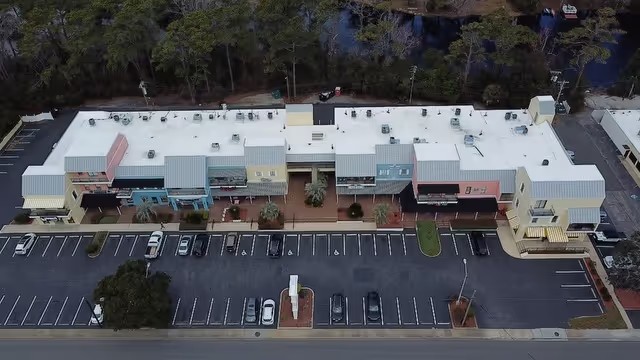
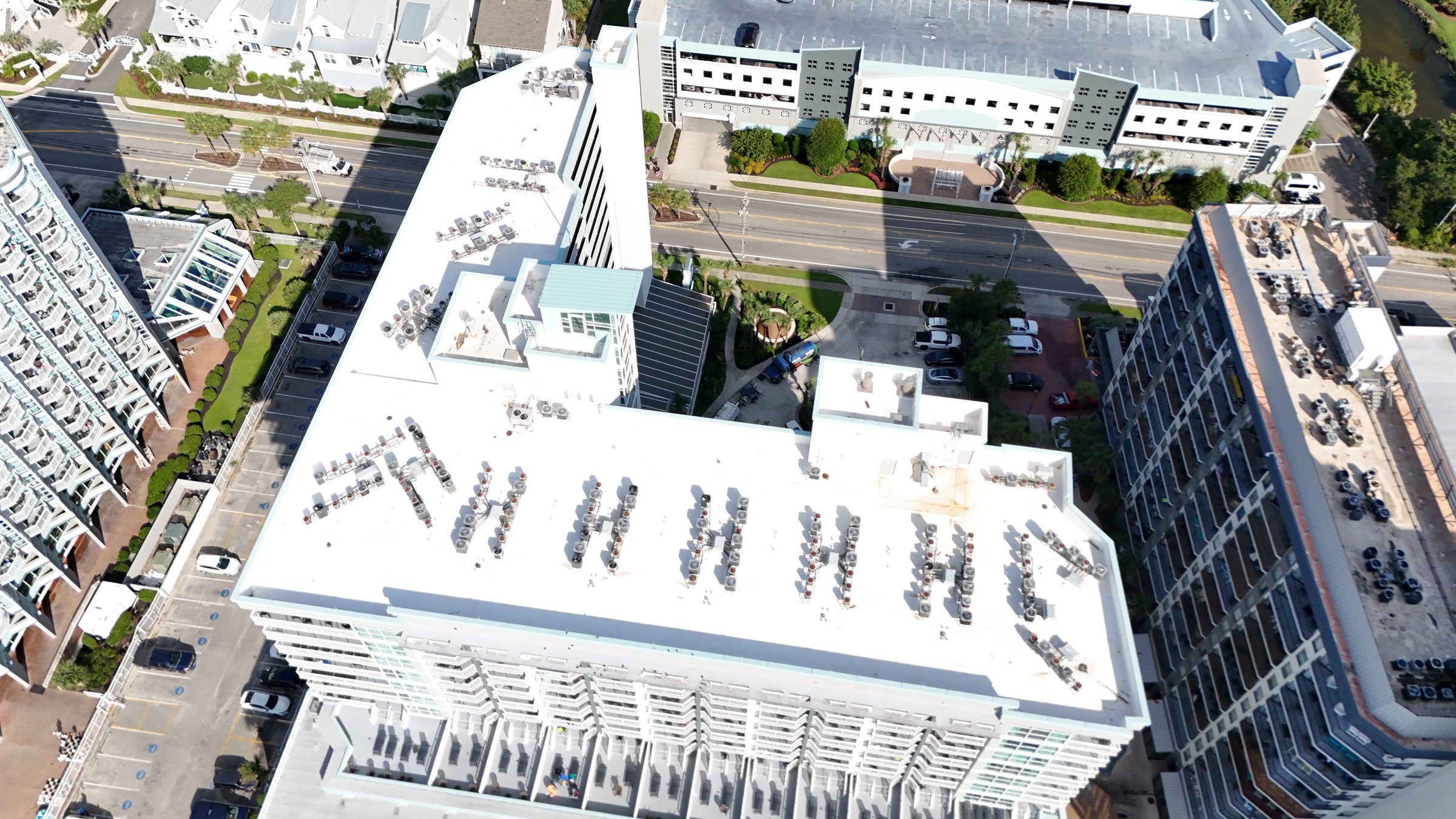
Project Spotlight: Rainbow Harbor
On this 23,582-sq. ft. roof in Myrtle Beach, SC, CCR Roofing replaced a flat section with TPO and added standing seam metal to other areas.
It is one example of how the right system, or combination of systems, can be matched to a building's real conditions.
Why Choose CCR Roofing for TPO Roofing?
TPO Is a Priority System for CCR Roofing
TPO is one of the primary commercial roof systems CCR Roofing emphasizes for installation, repair, and maintenance.
Commercial Roofing Since 2002
CCR Roofing has provided commercial roofing solutions across the Carolinas and surrounding region since 2002.
Certified Installer Network
CCR Roofing is a GAF GoldElite™ Commercial Contractor and certified installer for Johns Manville, Carlisle, Elevate, Amrize, and FiberTite.
Safety-Focused Work
Our .72 EMR rating reflects a safety record we take seriously on every roofing project.
Documentation for Repairs & Maintenance
For repair and maintenance work, CCR Roofing includes photos with each invoice so property owners and facility teams have clearer documentation.
Commercial Roof System Experience
Our team works with TPO, PVC, EPDM, Modified Bitumen, Built-Up Roofing, and Metal Roofing systems.
Our TPO Roofing Process
Assess the Roof or Project
We start by understanding your building, current roof condition, roof system, project goals, and any active concerns.
Evaluate Whether TPO Is the Right Fit
Our team reviews practical factors such as drainage, exposure, roof slope, rooftop equipment, budget, and long-term performance needs.
Recommend the Right Path
CCR Roofing helps determine whether your property needs TPO installation, repair, maintenance, replacement planning, or another roof system.
Complete the Work
Once the plan is approved, our team completes the work with a focus on safety, communication, and long-term roof protection.
Support Long-Term Maintenance
After installation or repair, CCR Roofing can help maintain the roof through the Roof Armor Performance Program.
TPO Roofing Across the Carolinas
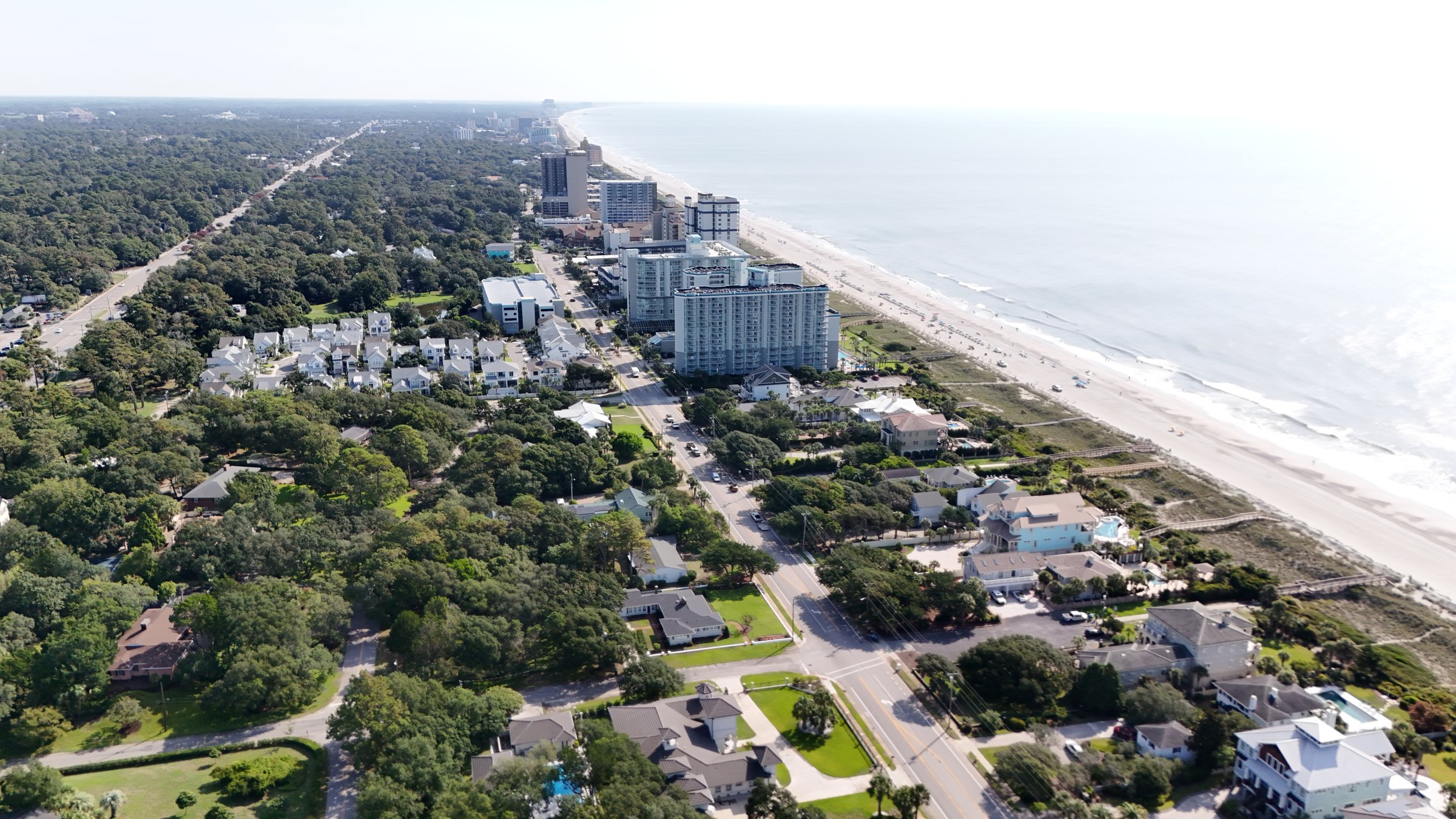
CCR Roofing provides TPO roofing services throughout a regional service area that includes the corridor from Wilmington to Fayetteville, Fayetteville to Columbia, and Columbia to Charleston.
Our team supports TPO roof installation, repair, maintenance, and replacement planning across coastal South Carolina, eastern North Carolina, and surrounding regional markets.
TPO Roofing FAQs
What Is TPO Roofing?+
Is TPO a Good Option for Commercial Roofs?+
Does CCR Roofing Install TPO Roof Systems?+
Can CCR Roofing Repair TPO Roofs?+
Does CCR Roofing Maintain TPO Roofs?+
How Is TPO Different From PVC?+
How Is TPO Different From EPDM?+
What Are Common TPO Roof Problems?+
Does CCR Roofing Provide Photos After TPO Repairs or Maintenance?+
What Areas Does CCR Roofing Serve for TPO Roofing?+
Need Help With a TPO Roof?
Whether you are planning a new TPO roof, repairing an existing system, or comparing commercial roof options, CCR Roofing can help you understand the right next step.